Summarize with
Preparing for a home demolition requires a systematic approach to legal compliance, safety, and site logistics. The process begins with securing the necessary permits from your local building department and ensuring all utility lines, including gas, electricity, and water, are professionally disconnected and capped. Handling hazardous materials like asbestos or lead-based paint is a mandatory step that must occur before structural work begins to prevent environmental contamination and health risks.
This guide provides a comprehensive home demolition checklist to help property owners manage the residential demolition process efficiently. Following these steps helps avoid legal fines, protects the safety of the neighborhood, and ensures the site is ready for its next use. Demo Pros Plus provides these insights to help homeowners understand the detailed preparation required for a successful project.
Key Preparation Steps for a Smooth Teardown
Managing a house demolition is more than just bringing in heavy machinery. It involves significant administrative work and physical preparation. Data from the Environmental Protection Agency indicates that construction and demolition debris make up a substantial portion of the national waste stream, and proper planning allows for better material recovery and less environmental impact.
1. Secure Necessary Permits
A permit for home demolition is the most critical document you need before starting. Most municipalities require a specific permit to ensure the teardown meets safety codes and zoning laws. The application process usually requires a site plan and proof that utilities will be handled correctly. Failing to obtain these documents can result in heavy fines and a complete halt of the project.
Local governments often have specific requirements for historical preservation. If a house is over a certain age, an additional review might be necessary to ensure no historical value is being destroyed. Check with your city’s planning department at least several weeks in advance, as the approval process can take time.
2. Disconnect and Cap All Utilities
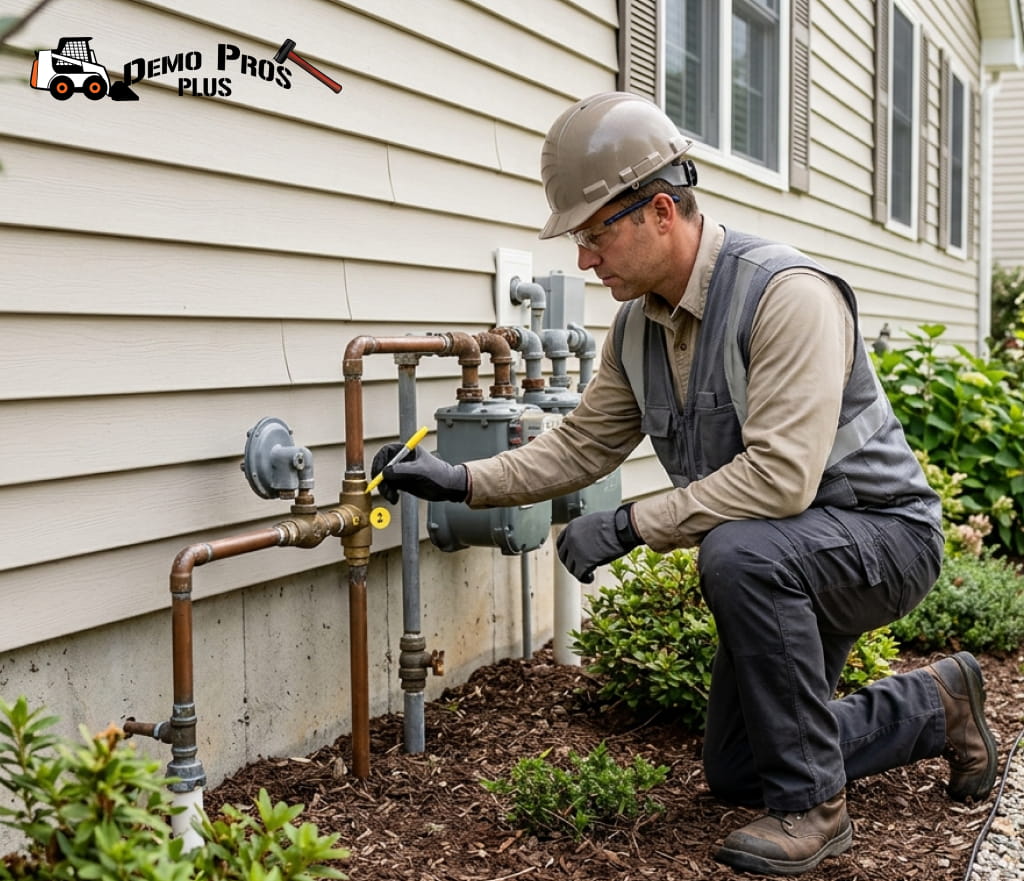
Safe demolition is impossible if the house is still connected to the grid. You must coordinate with individual utility providers to shut off and cap lines. This includes electricity, natural gas, water, and sewer services. In many cases, the gas company must remove the meter and physically disconnect the service at the street to prevent leaks during the teardown.
Leaving a sewer line open can lead to blockages or pest issues in the municipal system. Most cities require a “sewer cap” inspection before demolition starts. Electricity must be disconnected at the pole or transformer to ensure no live wires are present when the excavator begins its work.
3. Conduct an Asbestos and Hazardous Materials Inspection
Older homes frequently contain asbestos in floor tiles, insulation, or roofing materials. An asbestos inspection before demolition is a legal requirement in many jurisdictions. If asbestos is found, you must hire a certified abatement team to remove and dispose of it according to strict safety standards.
The Occupational Safety and Health Administration sets specific guidelines for handling hazardous materials to protect workers and the surrounding public. Beyond asbestos, look for lead paint, mercury in old thermostats, and leftover chemicals like paint or pool supplies in garages. These items cannot go into a standard landfill and must be disposed of at hazardous waste facilities.
4. Schedule a Pest Control Inspection
When a building is demolished, any rodents or insects living inside will seek new homes, usually in the neighboring houses. Many cities require a “rat letter” or a certificate from a pest control company stating the property is clear of infestations.
The pest control professional will set baits or traps at least two weeks before the demolition date. This prevents a sudden migration of pests into the local area. Skipping this step can lead to significant friction with neighbors and potential liability for pest issues in the block.
5. Notify Neighbors and Secure the Site
Demolition is noisy and creates dust. It is common courtesy, and often a legal requirement, to notify your neighbors of the upcoming work. Provide them with a schedule so they can plan accordingly, especially if they have pets or sensitive health conditions.
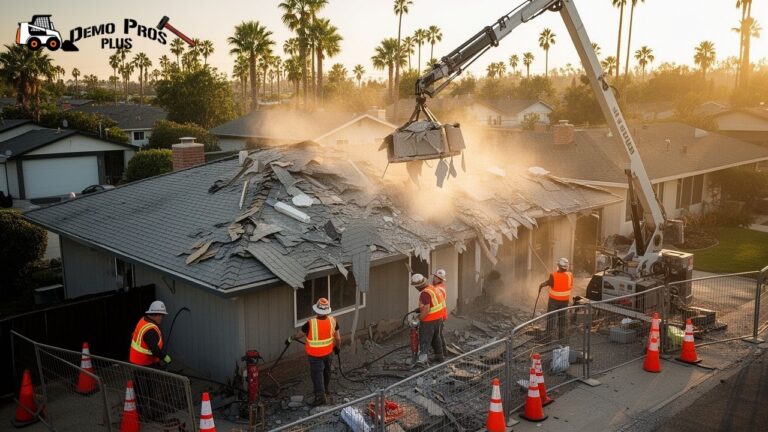
Securing the site with a temporary fence is essential for safety. A fence keeps unauthorized people and children out of a dangerous work zone. It also helps contain some of the debris and dust. Many local residential demolition contractors will include fencing as part of their service package, but you should verify this during the planning stage.
Bonus Tip: Use “dust screens” on your temporary fencing. These fabric covers help trap airborne particles, keeping the neighboring yards cleaner during the process.
6. Salvage Valuable Materials and Fixtures
Before the machines arrive, take the time to remove items that can be reused or sold. Hardwood flooring, architectural moldings, cabinets, and modern appliances often have significant resale value. You can also donate these items to organizations like Habitat for Humanity for a tax deduction.
Removing these items reduces the amount of debris that goes to a landfill. According to the National Association of Home Builders, salvaging materials can also slightly lower the total cost of home demolition preparation by reducing the volume of waste hauled away in roll-off containers.
7. Complete a Final Walkthrough and Clearing
Once the salvage is done, perform a final walkthrough. It is easy to forget items in attics, crawl spaces, or sheds. Ensure the house is completely empty of furniture, trash, and personal belongings.
Check for any remaining pets or stray animals that might have wandered into the structure. The goal is to have a completely “clean” shell ready for the demolition crew. This prevents delays and ensures that nothing of value is accidentally destroyed.
8. Review Your Insurance Coverage
Confirm that your homeowner’s insurance or the contractor’s insurance covers the demolition phase. While the house itself is being removed, you still need liability coverage for the land and the activity occurring on it.
Ensure your hired residential demolition contractors have active general liability and workers’ compensation insurance. Request a certificate of insurance (COI) that names you as an additional insured party. This protects you if an accident occurs on your property during the teardown.
9. Hire Professional Residential Demolition Contractors
Choosing the right team is critical. Professional contractors understand safety protocols, site management, and structural handling. They can also provide insight into how long it takes to demolish a house and what to expect during each phase.
10. Finalize the Debris Removal Plan
The amount of debris generated by a house demolition is immense. You need a plan for where this waste will go. Most projects use multiple high-capacity dumpsters that are swapped out as they fill.
Ensure the plan includes sorting materials for recycling. Concrete, wood, and metal can often be recycled rather than dumped in a landfill. Sorting debris on site can be more labor-intensive, but it often lowers disposal fees at the local transfer station.
Preparation Timelines and Estimated Costs
The following table outlines typical timelines and cost ranges. Reviewing both time and cost together helps you understand how long demolition projects take and their associated costs .
| Preparation Task | Typical Timeline | Estimated Cost Range |
|---|---|---|
| Demolition Permit | 2 to 6 Weeks | $500 to $2,000 |
| Utility Disconnection | 1 to 3 Weeks | $500 to $1,500 |
| Asbestos Inspection | 3 to 7 Days | $400 to $1,200 |
| Asbestos Removal | 1 to 2 Weeks | $2,000 to $10,000+ |
| Pest Control Baiting | 10 to 14 Days | $150 to $500 |
| Site Fencing | 1 Day | $300 to $800 |
Smart Considerations Before You Move Forward
Beyond the administrative checklist, physical site constraints and environmental factors also require attention. Before you finalize the start date for your project, think about the access points for heavy machinery. Large excavators and dump trucks need significant space to maneuver. If your driveway is narrow or there are low-hanging power lines, the contractor may need to find an alternative route.
Also, consider the time of year. Heavy rain can turn a demolition site into a mud pit, causing delays and making debris removal much harder. If you are in an area with strict noise ordinances, you may be restricted to specific working hours, which can extend the total duration of the project.
Bonus Tip: Document the condition of the sidewalk, curb, and street before work begins. Taking photos provides proof of the existing condition in case the city claims the heavy equipment caused damage.
Common Questions About Demolition Preparation
Is an asbestos inspection necessary if the house looks clean?
Yes. Asbestos is often microscopic and hidden within materials like drywall joint compound or old pipe insulation. Visual inspections are not enough; a laboratory test of physical samples is the only way to confirm its presence.
Can I disconnect the utilities myself?
No. Utility disconnections must be performed by the utility provider or a licensed professional. Improperly capping a gas or water line can lead to explosions, flooding, or significant damage to the city’s main infrastructure.
How long does the actual demolition take?
While the preparation can take weeks, the physical teardown of a standard residential home usually takes two to four days. This includes the removal of the foundation and the final grading of the site.
What happens to the foundation?
In a full demolition, the concrete foundation and footings are dug out and hauled away. If you plan to build a new home on the same spot, your engineer will determine if any part of the old foundation can remain, though this is rare.
Key Points to Remember
- Securing a permit for home demolition is a legal requirement that protects you from fines.
- Utility disconnections must be verified by the service providers before any structural work.
- Professional asbestos inspections prevent health hazards and legal liabilities.
- Good communication with neighbors and site security prevents local disputes and accidents.
- Vetting your demolition contractors ensures the job is done safely and correctly.
Careful preparation is the difference between a chaotic site and a professional project. By following this guide, property owners can ensure their home demolition is completed on time and within budget, clearing the way for new construction or land use.
Details Regarding Demo Pros Plus
Demo Pros Plus provides expert residential demolition services for property owners looking for efficient and safe structure removal. For questions regarding the residential demolition process or to discuss an upcoming project, contact the team at (714) 605 -1651 or email mike@demoprosplus.com. Demo Pros Plus maintains high standards of safety and compliance for every residential project.
Sources
- Environmental Protection Agency – Information on construction and demolition debris management and environmental regulations.
- Occupational Safety and Health Administration – Safety standards and legal requirements for handling hazardous materials like asbestos.
- National Association of Home Builders – Industry data and best practices for residential construction and deconstruction.