
Summarize with
Most homeowners pay between $8,000 and $25,000 to demolish a single-family home. On average, the national cost for a standard 2,000-square-foot house sits at approximately $15,000. These figures typically cover the structure teardown, debris removal, and basic site clearing. Total expenses fluctuate based on the size of the home, the materials used in construction, and the specific location of the property.
Total costs often drop as low as $3,000 for small, detached structures like garages or sheds. Conversely, removing a large estate with complex foundations or hazardous materials can drive prices above $50,000. This article details the variables that determine the final bill and provides a clear picture of what to expect during the demolition process.
Square Footage and House Size
The physical size of a building is the primary driver of the total cost. Most professionals charge based on square footage, with rates ranging from $2 to $17 per square foot. Smaller homes require less heavy machinery time and fewer trips to the landfill, which keeps the price low. For instance, a compact 1,000-square-foot cottage might cost $5,000 to $10,000 to remove, while a 3,000-square-foot two-story house often starts at $18,000.
Height also influences the price. A multi-story house presents more risks and requires specialized equipment like high-reach excavators. Workers must take extra care to ensure debris falls inward safely, and this additional labor and safety planning adds to the total invoice. According to data from Angi, residential demolition prices vary significantly by region, but square footage remains the most consistent metric for initial estimates.
Construction Materials and Foundation Type
The difficulty of breaking down a structure depends largely on its composition. Wood-frame houses are generally the least expensive to demolish because wood is light and easy to crush. In contrast, brick and concrete structures require more power and time. Tearing down a masonry home usually costs 20% to 30% more than a wood home of the same size.
Foundations add another layer of expense. If the project requires removing a concrete slab or a full basement, the price will rise accordingly. Breaking up and hauling away a concrete foundation involves heavy jackhammers and specialized loaders. Filling the resulting hole with clean dirt and grading the land for future use is a separate cost that many homeowners forget to include in their initial budget.
Hazardous Material Abatement
Older homes often contain materials that require special handling. Asbestos was common in insulation, floor tiles, and roofing until the late 1970s. If a pre-demolition inspection identifies asbestos, a licensed abatement team must remove it before the main teardown begins. This process is highly regulated and can be quite expensive.
A report from HomeAdvisor indicates that asbestos removal can add $1,500 to $3,000 or more to a project. Lead paint is another concern in homes built before 1978. These materials cannot go into a standard landfill, so disposal fees for hazardous waste are much higher than for regular construction debris.
Bonus Tip: Always request an environmental survey before purchasing a “fixer-upper” with the intent to demolish. Knowing about asbestos early prevents unexpected five-figure bills later in the project.
Demolition Method Options
Homeowners generally choose between two main methods for removing a house. The choice significantly impacts both the project timeline and the final cost.
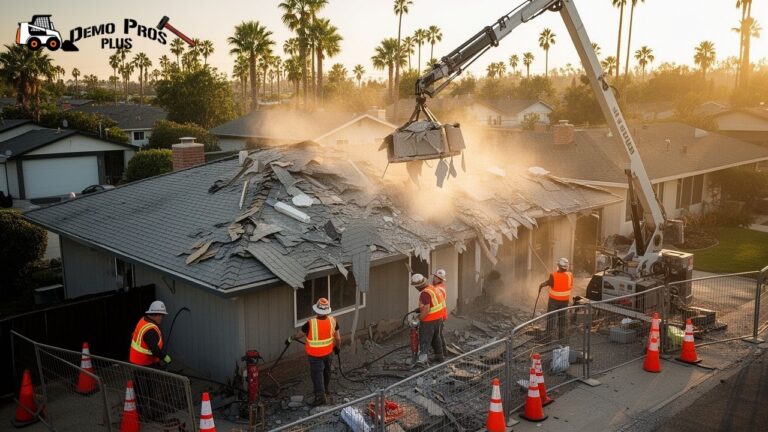
- Mechanical Demolition: This is the most common approach. It involves using large machines like excavators and bulldozers to pull the house down. It is fast and cost-effective, but it results in a high volume of waste sent to landfills.
- Deconstruction: This method involves taking the house apart by hand to salvage materials. While it costs two to three times more than mechanical demolition, it is better for the environment. Salvaged wood, fixtures, and bricks can sometimes be sold or donated for a tax credit.
Data from the Environmental Protection Agency (EPA) suggests that deconstruction can divert up to 90% of a building’s materials from landfills.
| Demolition Type | Estimated Cost Per Sq. Ft. | Typical Duration |
|---|---|---|
| Mechanical (Total) | $2 – $7 | 2 – 5 Days |
| Deconstruction (Manual) | $15 – $25 | 2 – 4 Weeks |
| Partial Demolition | $5 – $15 | 1 – 3 Days |
| Garage/Shed Removal | $2 – $5 | 1 Day |
Permits and Local Regulations
Every municipality has specific rules for removing a structure. Permit fees vary by city and often range from $200 to $1,000. Some areas require separate permits for plumbing, electrical, and sewer capping. Local officials must also inspect the site to ensure all utility lines are safely disconnected before work starts.
Failure to secure the proper permits can result in heavy fines and project delays. Most professional contractors handle the permit process as part of their service, but the homeowner ultimately pays the fees. Checking with the local building department early helps clarify these anticipated costs.
Utility Disconnections and Site Preparation
Before a single wall comes down, the house must be disconnected from all public utilities. This includes electricity, natural gas, water, and sewer lines. Utility companies often charge for these service calls. For example, capping a sewer line at the street might require a separate contractor and a specific city inspection.
Site preparation also involves protecting the surrounding area. If the house is close to a neighbor’s property, contractors may need to install silt fences or temporary scaffolding. Protecting trees and existing landscaping also adds to the total labor hours.
Bonus Tip: Contact utility companies at least three weeks in advance. Some providers have long lead times for physical disconnections, and structural work cannot start until they clear the site.
Things to Consider Before Making a Decision
Before signing a contract for house demolition, property owners should evaluate several factors that influence the long-term value of the land.
- Tree Protection: Removing a house near mature trees requires care. Heavy machinery can compact the soil and kill sensitive root systems.
- Neighbor Relations: Demolition is loud and dusty. Informing neighbors and checking for local noise ordinances ahead of time prevents legal disputes.
- Future Use: If the plan is to build a new home immediately, some foundations might be worth keeping. However, most new builds require a fresh start.
- Septic and Wells: If the property has a septic tank, it must be pumped and filled or removed according to local health department codes.
Common Questions
Many homeowners wonder if they can save money by doing part of the work themselves. While a homeowner can remove appliances or light fixtures, the actual structural demolition requires heavy equipment and professional insurance. Attempting a DIY demolition on a full-sized house is dangerous and often illegal without a proper contractor’s license.
Another common question involves “free” demolition offers. Occasionally, local fire departments use old houses for training exercises. This can save some money on the teardown, but the homeowner remains responsible for clearing the charred remains and foundations afterward, which can be just as expensive as a standard mechanical demolition.
Helpful Details for Property Owners
Does insurance cover house demolition?
Standard homeowners insurance does not cover the cost of a planned demolition. If a house is destroyed by a covered peril like fire or wind, the policy usually pays for debris removal. However, for a planned teardown to build a new home, the owner pays the full amount out of pocket.
How long does the process take?
The physical teardown of a house often takes only one or two days. However, the entire process—including permitting, utility capping, and site clearing—usually spans two to four weeks. Deconstruction projects take much longer due to the extensive manual labor involved.
Is a basement removal more expensive?
Yes. Removing a basement requires extra excavation and significant amounts of fill dirt. The dirt must be compacted in layers to ensure it does not sink later. This requirement can add $3,000 to $10,000 to the total bill.
What happens to the debris?
Most debris goes to a Construction and Demolition (C&D) landfill. These facilities charge by weight. If the contractor can sort and recycle materials like metal and concrete, the final disposal costs might be lower.
Final Thoughts on Demolition Costs
Demolishing a house is a major project with many moving parts. While the average price sits around $15,000, the specific characteristics of the building and local regulations dictate the final number. Property owners should focus on hiring licensed professionals who prioritize safety and environmental compliance. Demo Pros Plus suggests gathering at least three detailed quotes to compare services and disposal plans. Always verify that the quote includes permit fees, utility capping, and site grading to avoid hidden charges. Proper planning ensures the lot is ready for its next chapter without unnecessary financial strain, making professional guidance an essential part of the process.
Specialized Support for Your Project
Managing a large-scale removal requires precision and local knowledge. Demo Pros Plus provides professional demolition services tailored to residential needs. For a detailed discussion about a specific property or to request an estimate, contact the office at (714) 605-1651. Inquiries can also be sent via email to mike@demoprosplus.com to start the planning process today. Demo Pros Plus focuses on safe, efficient site clearing to help move projects forward.
Sources
- Angi – Provides comprehensive data on national and regional averages for residential demolition costs.
- HomeAdvisor – Offers detailed pricing guides for hazardous material removal and structural teardown variables.
- Environmental Protection Agency – Lists federal guidelines and benefits regarding deconstruction and material recycling.