
Summarize with
Deciding between a DIY approach and hiring a professional demolition contractor depends on the complexity of the structure and the presence of hazardous materials. For small, detached wooden sheds without electrical or plumbing lines, property owners can often handle the removal with basic tools and a rented dumpster. However, for most full-sized garages, especially those with concrete foundations, utility connections, or shared walls, a garage demolition company provides the necessary safety and legal compliance.
Hiring professional demolition services California residents trust ensures that structural risks are managed and all debris is disposed of according to state environmental laws. This guide provides an objective look at the technical requirements, safety protocols, and cost structures associated with both options. Demo Pros Plus provides this information based on extensive field experience in residential structural removal and site preparation.
Financial Realities of Garage Teardowns
The financial difference between doing the work personally and hiring a professional is often smaller than property owners expect. While a DIY project avoids direct demolition labor costs, it introduces expenses for heavy equipment rentals, debris hauling fees, and permit applications. According to cost data from Forbes Home, the average price to tear down a garage ranges from $2,000 to $15,000, depending on size and material.
Property owners must account for the cost of a roll-off dumpster, which can range from $300 to $800 per load. A standard two-car garage often generates several tons of debris, requiring multiple trips to a landfill. If the garage contains hazardous materials like asbestos or lead paint, disposal fees increase significantly.
| Factor | DIY Approach | Professional Contractor |
|---|---|---|
| Average Total Cost | $500 to $3,000 | $2,000 to $15,000 |
| Time to Complete | 3 to 10 Days | 1 to 2 Days |
| Safety Profile | High Risk | Low Risk (Insured) |
| Permitting | Owner Managed | Contractor Managed |
| Equipment Needs | Rented/Manual | Company-Owned Heavy Machinery |
Identifying Structural and Environmental Hazards
Safety is the primary concern when evaluating the difficulty of garage demolition. Structures built before 1980 often contain materials that require specialized handling. The United States Environmental Protection Agency mandates specific procedures for the identification and removal of asbestos to prevent airborne fibers from causing health issues.
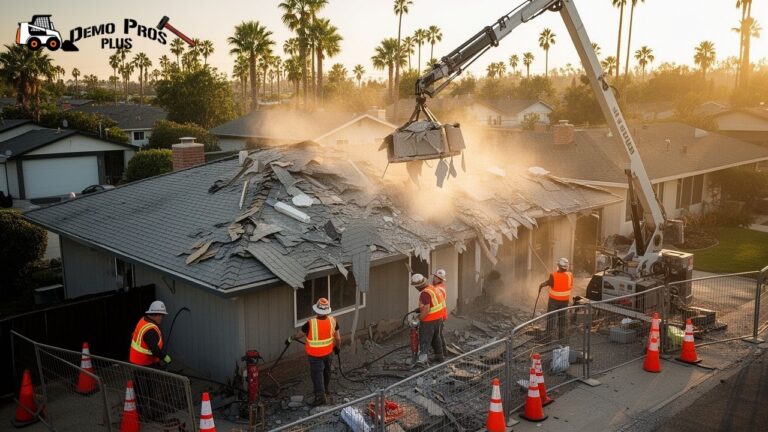
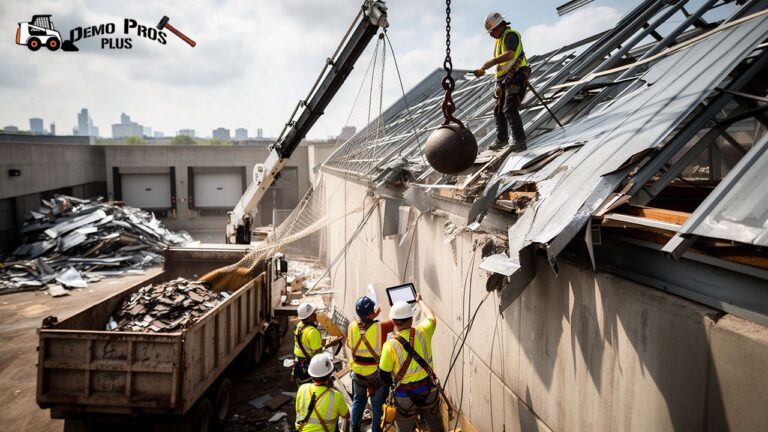
Beyond chemical hazards, garage demolition safety risks include structural collapse. Removing a load-bearing wall or a roof support incorrectly can cause the entire building to fall unexpectedly. Professionals use sequential demolition techniques to ensure the structure remains stable until each section is safely lowered.
Bonus Tip: Before any structural removal, verify the age of the building. Any garage built before 1978 should be tested for lead-based paint to avoid contaminating the soil on the property.
Technical Requirements and Necessary Machinery
The demolition equipment needed for a garage teardown goes beyond simple hand tools. While a sledgehammer and crowbar work for interior walls, removing a concrete slab or heavy timber framing requires mechanical power.
Common equipment for a professional teardown includes:
- Skid steer loaders with grapple attachments for debris sorting.
- Hydraulic excavators for controlled structural collapse.
- Concrete saws for cutting through foundations or footings.
- Industrial-grade magnets to clear nails and metal shards from the site.
Property owners attempting a DIY garage teardown must learn to operate this machinery safely. Misuse of a rented skid steer can lead to property damage or personal injury. Furthermore, a professional garage demolition company has the experience to separate materials at the site, which helps in recycling metals and concrete. Because these technical operations involve high-risk machinery and specific waste management, they are subject to strict legal oversight.
Legal Obligations and Local Permitting Needs
Demolition is a regulated activity in most municipalities. In California, local building departments require a permit before any structure is removed. This process ensures that the city is aware of the change in property value and that all utility lines are properly capped. The California Department of Toxic Substances Control provides guidelines on how demolished materials must be tracked and reported.
When a property owner hires a professional, the contractor usually handles the permit application and schedules the necessary inspections. In a DIY scenario, the owner is legally responsible for any fines resulting from unpermitted work or illegal dumping.
Bonus Tip: Always call 811 or contact DigAlert before starting any project that involves breaking concrete or digging. This service identifies underground utility lines to prevent dangerous gas or electrical ruptures.
Factors to Evaluate Before Making a Decision
Before choosing between DIY and professional demolition, evaluate the specific constraints of the project. A small mistake in judgment can lead to thousands of dollars in repairs or legal fees.
- Proximity to Other Structures: If the garage is within five feet of a neighbor’s house or a main residence, professional control is necessary to prevent collateral damage.
- Utility Connections: Garages with active gas lines, water pipes, or electrical subpanels require professional capping by licensed tradespeople before physical demolition begins.
- Disposal Access: Consider if there is enough space for a large dumpster and if the local landfill accepts construction and demolition waste.
- Physical Ability: Demolition is physically taxing work that involves heavy lifting and exposure to dust and sharp objects.
- Time Constraints: A professional crew can clear a site in a single weekend, whereas a DIY project often stretches over several weeks.
Practical Questions for Property Owners
Property owners often ask about the specific steps of the process. One common question is whether the concrete slab must be removed. If the goal is to build a new structure, the old slab usually needs to be broken up and removed to allow for new footings. Another frequent inquiry involves the salvaging of materials. While it is possible to save old lumber or windows, the labor required to remove them without damage often exceeds the value of the materials.
Addressing Common Garage Removal Concerns
Should I hire a demolition contractor for a detached garage?
Hiring a contractor is recommended if the garage is larger than a single-car space or if it is made of masonry. Professionals have the insurance to cover any accidental damage to the surrounding landscape or nearby power lines.
What are the main garage teardown safety tips for beginners?
Always wear a hard hat, eye protection, and puncture-resistant boots. Never work alone, and always start from the top of the structure and move downward. Never pull a wall down toward yourself.
How much does demolition labor cost for a standard garage?
Labor typically accounts for 50% to 70% of the total project cost. While skipping this expense seems like a way to save money, the efficiency of a professional crew often reduces the total number of days you need to pay for equipment and dumpster rentals.
What happens to the debris after the garage is gone?
Most modern contractors aim to recycle as much as possible. Concrete is often crushed for road base, and metal is sent to scrap yards. Only non-recyclable materials are sent to the landfill.
Can I leave the electrical lines active during demolition?
No. All power must be disconnected at the main breaker, and the wires must be removed from the structure before any physical demolition begins. This prevents fire hazards and electrocution.
Determining the Best Course of Action
The choice between DIY and professional help rests on the balance of risk and reward. If the structure is a simple wooden frame on a dirt floor with no utilities, the DIY route is a manageable weekend project. For any structure involving concrete foundations, shared walls, or hazardous materials, a professional contractor is the safer and more legally sound choice. Evaluate the structural integrity of the building and the local permit requirements before picking up a sledgehammer. Effective demolition requires a clear plan for both the teardown and the disposal of every piece of material removed from the site.
Consulting with Site Clearance Experts
When a project requires specialized machinery or hazardous material handling, professional assistance ensures the job is done correctly. Demo Pros Plus offers expert structural removal and site clearing services tailored to the specific needs of each property. For questions regarding permit requirements or to discuss the technical aspects of a garage teardown, contact Mike at mike@demoprosplus.com or call (714) 605-1651. Choosing the right experts protects the property and ensures a clean start for any future construction.
Sources
- Forbes Home – Comprehensive breakdown of average costs and factors influencing demolition pricing.
- United States Environmental Protection Agency – Official federal regulations regarding the handling and disposal of asbestos and lead.
- California Department of Toxic Substances Control – State-specific guidelines for managing hazardous construction waste in California.
- DigAlert – The official service for locating underground utility lines prior to excavation or demolition in California.