
Summarize with
Removing the residue and debris scattered after a Mace or pepper spray discharge requires breaking down the oily resins that stick to surfaces. The most effective method involves using a mixture of grease-cutting dish soap and cold water to physically lift the particles without spreading them further. Prompt action prevents the oils from soaking into porous materials like drywall or upholstery, which can lead to lingering irritation for days or weeks.
This guide provides a systematic approach to cleaning pepper spray contamination from indoor environments. Drawing on professional cleaning standards and hazardous material handling protocols, these steps ensure the air and surfaces return to a safe state. Handling these irritants requires specific safety measures and cleaning agents to prevent re-activating the chemicals.
Immediate Safety Actions for Indoor Discharge
The moments following a Mace discharge are the most significant for containment. Mace is typically an Oleoresin Capsicum (OC) spray, which is oil-based. When the canister vents, it creates a pressurized cloud that moves residue, dust, and chemical droplets across the room. The first step involves isolating the area and increasing airflow.
Open all available windows and external doors to create a cross-breeze. This action dilutes the concentration of airborne particles. Turn off any central heating or air conditioning systems immediately. Keeping the HVAC system running will pull the irritants into the ductwork and distribute them to other rooms. According to safety information from Sabre Red, the inflammatory effects of OC spray are temporary but can be severe in confined spaces.
Before starting the physical cleanup, put on protective gear. This includes rubber gloves, wrap-around safety goggles, and an N95 respirator mask. Standard dust masks do not filter out the microscopic chemical droplets effectively. If skin contact occurs, wash with cool water and non-oil-based soap.
Understanding Pepper Spray Residue
Mace and pepper spray are not just gases; they are liquid chemicals suspended in a propellant. The residue visible after a discharge is often a combination of the chemical dye, the oily resin, and existing household dust disturbed by the high-pressure spray. These oils are hydrophobic, meaning they do not dissolve in water alone.
A technical bulletin from Mace Security International explains that their formulas often include a UV dye to help identify suspects. This dye can stain light-colored walls and fabrics if not addressed quickly. Because the active ingredient is an oil, using warm or hot water during the initial cleaning phase is a mistake. Heat can turn the oils into a vapor, causing them to rise and re-irritate the eyes and lungs of anyone in the room.
Bonus Tip for Airborne Particles
Place a portable air purifier with a HEPA filter in the center of the room after the initial ventilation. This helps trap the microscopic particles that settle more slowly than visible dust.
Cleaning Non-Porous Surfaces
Hard surfaces like tile, laminate, metal, and sealed wood are the easiest to clean. The goal is to lift the oil rather than smear it. Use a disposable cloth or paper towels for the first pass to soak up visible liquid.
- Mix a solution of two tablespoons of degreasing dish soap per gallon of cold water.
- Dampen a cloth in the solution and wipe the affected area using a single-direction stroke. Avoid circular scrubbing, as this pushes the oil deeper into microscopic surface pits.
- Switch to a clean section of the cloth frequently.
- Rinse the area with a separate cloth dampened with plain cold water.
- Dry the surface thoroughly with paper towels and discard them in an outdoor trash bin.
Managing Porous Materials and Fabrics
Carpets, curtains, and upholstered furniture present the greatest challenge. These materials act like sponges for the oily resin. If a large amount of Mace hit a rug, the most effective solution is often professional steam cleaning with an industrial-strength degreaser.
For minor contamination on fabrics, try a spot clean using the soap-and-water method. Avoid using standard vacuum cleaners on dry residue, as they exhaust fine particles back into the air and effectively re-spray the room. Only use high-quality wet-dry vacuums equipped with HEPA filters.
Surface Cleaning Methods Comparison
| Surface Type | Recommended Agent | Tool | Action to Avoid |
|---|---|---|---|
| Sealed Hardwood | pH-Neutral Soap | Microfiber Cloth | Excess Water |
| Drywall/Paint | Dish Soap Suds | Soft Sponge | Heavy Scrubbing |
| Carpeting | Extraction Cleaner | Steam Vac | Standard Vacuuming |
| Stainless Steel | Degreaser | Paper Towels | Circular Buffing |
| Glass/Mirrors | Alcohol-Based Cleaner | Squeegee | Dry Wiping |
Cleaning Pepper Spray from the Room Air
Even after surfaces feel clean, a “peppery” smell or a slight tickle in the throat might remain. This indicates that volatile organic compounds are still present. Research published by the National Center for Biotechnology Information notes that capsaicinoids can persist on indoor surfaces for long periods if ventilation is poor.
To clear the air, keep the windows open for at least 24 hours. If the smell persists, the residue may have settled on light bulbs. When light bulbs heat up, they can “cook” the oil and release the scent. Wipe down all cold light bulbs with a small amount of rubbing alcohol.
Bonus Tip for Odor Removal
Place bowls of white vinegar around the room. Vinegar helps neutralize some of the odors associated with the propellants used in Mace canisters.
Things to Consider Before Making a Decision
Before attempting a DIY cleanup, evaluate the extent of the discharge. A small keychain spray used near a door is different from a large bear spray canister emptied in a basement.
- Volume of Discharge: Larger canisters release significantly more oil and propellant, which can saturate walls.
- Surface Sensitivity: Some degreasers can strip the finish off antique furniture or certain types of natural stone.
- Health Conditions: Individuals with asthma, COPD, or severe allergies should not participate in the cleanup.
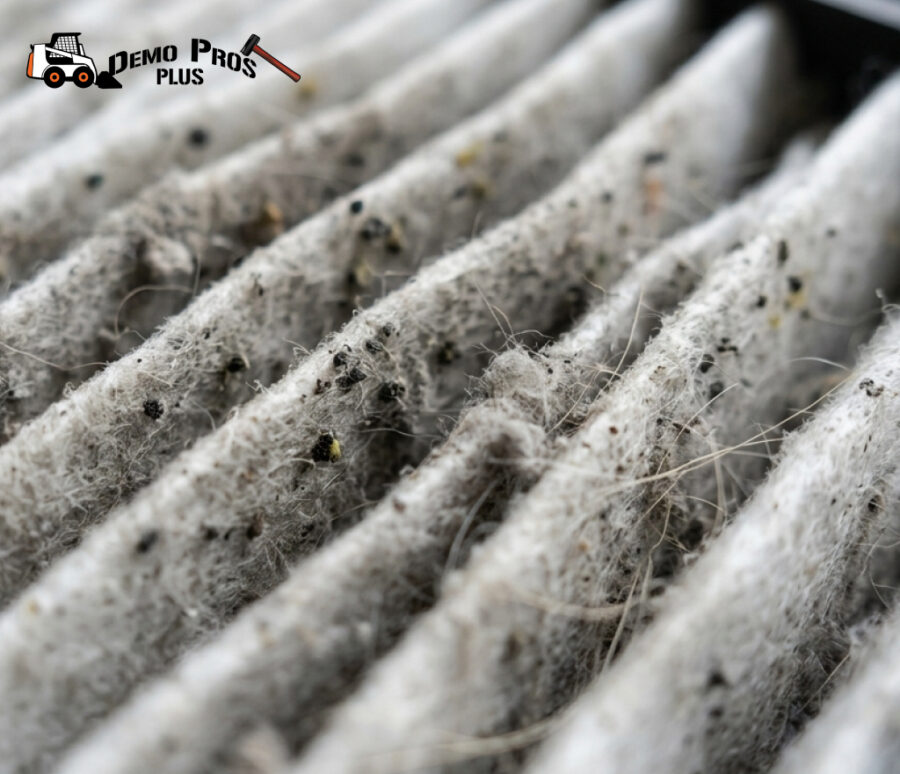
- HVAC Exposure: If the system was running during the spray, the filters must be replaced, and the vents might require professional vacuuming.
Common Questions About Mace Cleanup
Occupants often wonder if bleach is a good option for disinfecting the area. Bleach is not a degreaser and will not effectively remove the oily residue. It can also create harsh fumes when mixed with the ingredients in some Mace formulas. Stick to surfactants like dish soap.
Another common question involves the use of fans. While fans are helpful, they should always blow air out of the room. Pointing a fan into a contaminated room from a hallway can push the particles into the rest of the building. Always set up fans to exhaust the air through a window.
Effective Decontamination Steps
Removing pepper spray contamination requires a methodical, top-down approach. Demo Pros Plus recommends starting with high fixtures like ceiling fans and the tops of cabinets before moving down to walls and floors. This systematic progression ensures that any particles dislodged during the process are eventually captured during the final floor cleaning.
- Isolate: Close doors to unaffected rooms.
- Ventilate: Use exhaust fans.
- Wipe: Use soapy water on all hard surfaces.
- Extract: Deep clean carpets and rugs.
- Filter: Change HVAC filters and use air purifiers.
FAQs About How to Remove Residue and Debris Scattered When Using Mace
Can I use a regular vacuum to pick up the dried residue?
No. A standard vacuum cleaner will pull the small particles through the bag or filter and exhaust them back into the room. This can cause immediate respiratory irritation and spread the contamination to other areas. Only use a vacuum with a certified HEPA filter.
How do I get the smell out of my clothes?
Wash contaminated clothing separately from other laundry. Use a heavy-duty laundry detergent and a cup of baking soda. Run the wash on a cold cycle first to prevent setting the oils with heat, then wash a second time on a normal setting. Hanging clothes to dry outside is better than using a dryer, as heat can reactivate any remaining residue.
Is it safe to stay in the house while cleaning?
If the discharge was significant, it is best for sensitive individuals to stay elsewhere for 24 hours. The person performing the cleaning should wear a respirator. If you feel a burning sensation in your throat or eyes, stop and increase the ventilation.
What happens if I don’t clean the residue?
The capsaicin oils in Mace do not evaporate quickly. If left alone, they can remain active for weeks. Touching a contaminated surface and then touching your eyes can cause a painful reaction long after the initial event. Over time, the oils can also attract more dust and dirt, creating a sticky, dark stain.
Will vinegar neutralize pepper spray?
Vinegar is an acid and can help with odor, but it is not the best agent for removing the oil itself. A surfactant like Dawn dish soap is much more effective at breaking the molecular bonds of the capsaicin oil so it can be wiped away.
Summary of Best Practices
Cleaning up after a Mace discharge requires patience and the right materials. Focus on using cold water and degreasing soaps to lift the oils. Ensure constant ventilation and protect yourself with the correct safety gear. Avoid using heat or standard vacuums, as these actions typically make the situation worse by spreading the irritant. Carefully evaluate whether the contamination has reached the HVAC system or deep into porous surfaces. If the irritation persists after a thorough cleaning, it may be time to consult with a specialist who understands chemical neutralization.
Seeking Professional Assistance
If the cleanup process feels overwhelming or the contamination is widespread, reaching out for expert help is a practical step. For residents needing assistance with interior restoration or debris removal, Demo Pros Plus provides experienced support for complex cleanup tasks. You can reach the team at (714) 605 -1651 or via email at mike@demoprosplus.com to discuss the specific requirements of your space. Professional intervention ensures that every surface is handled correctly and the air quality is restored safely.
Sources
- Sabre Red – Manufacturer of personal safety sprays providing data on chemical persistence and safety.
- Mace Security International – Official resource for Mace brand product specifications and decontamination advice.
- National Center for Biotechnology Information – Peer-reviewed research regarding the environmental persistence of capsaicinoids.
- Centers for Disease Control and Prevention – Government agency offering guidelines on handling chemical irritants and respiratory protection.