
Summarize with
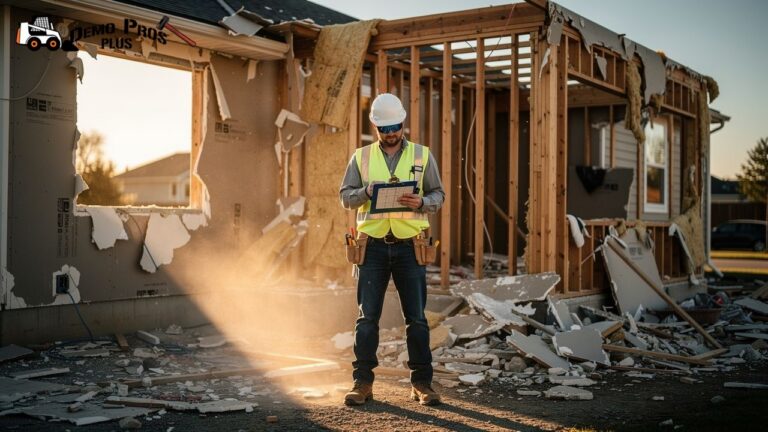
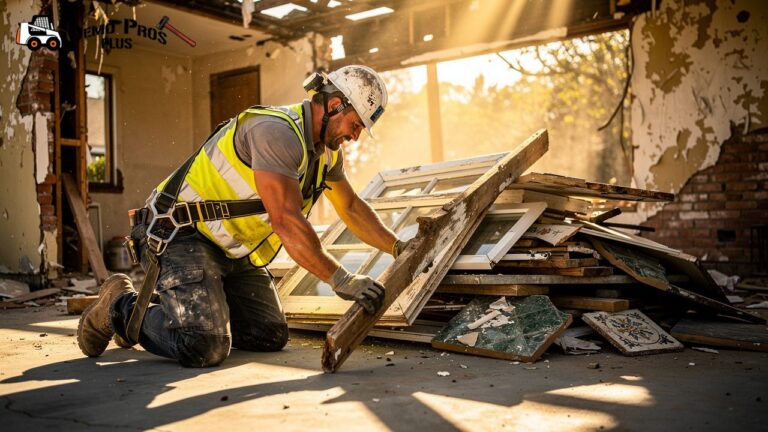
Drywall demolition serves as the essential first step in a successful California home renovation by clearing away old materials to reveal the underlying structure. This process allows for a complete assessment of the home’s framing, electrical systems, and plumbing, ensuring that all new work rests on a stable and safe foundation. By stripping walls to the studs, homeowners can address hidden issues like wood rot or outdated wiring that would otherwise remain concealed and potentially dangerous.
Access for Structural and Seismic Upgrades
California building codes often require specific structural reinforcements, especially in older homes located in seismic zones. Drywall demolition for renovation allows engineers and contractors to see exactly how a building is put together. Without these walls in the way, professionals can install shear walls, hold-down brackets, and other earthquake-resistant hardware directly to the studs and foundation.
According to data from the California Earthquake Authority, many older homes require retrofitting to prevent the structure from sliding off its foundation during a tremor. Removing drywall is the only way to perform these updates effectively in the interior of the home. This transparency ensures that the renovation meets the highest safety standards required in the state.
Identifying Hidden Damage and Pests
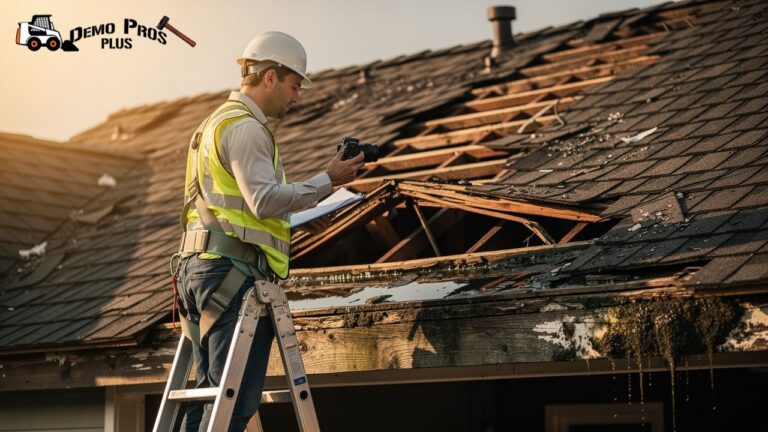
In many California regions, moisture and pests can quietly damage a home for years without showing signs on the surface of the wall. Interior demolition services that California properties often require reveal secrets that a simple paint job would hide. Drywall removal before renovation is the most reliable method for finding termite infestations, which are common in the warm California climate.
Exposing the wall cavity also allows for the detection of slow plumbing leaks that cause dry rot or mold growth. Identifying these issues early prevents the need for expensive repairs after the new renovation is finished. It is much more cost-effective to replace a damaged stud or a leaky pipe when the walls are already open than to tear down new finishes later.
Modernizing Electrical and Plumbing Systems
Older California homes often feature outdated “knob and tube” wiring or galvanized steel pipes that are prone to corrosion. Residential drywall demolition provides the clear path needed for electricians and plumbers to run new lines throughout the house. Modern electrical codes require specific outlet spacing and dedicated circuits for kitchens and bathrooms that are impossible to install correctly without open wall access.
Data published by the National Fire Protection Association indicates that electrical failures or malfunctions are a leading cause of home fires. Replacing old wiring during a total drywall removal project significantly reduces this risk. Furthermore, open walls make it easy to install modern tech infrastructure, such as smart home wiring and high-speed data cables, during the renovation process.
Bonus Tip: Plan Your Layout Early
Before the drywall comes down, mark the locations of new outlets, switches, and plumbing fixtures on the floor. This helps the demolition crew stay away from areas where temporary utilities must remain active and gives the installation teams a clear map once the studs are exposed.
Improving Energy Efficiency and Insulation
California has some of the strictest energy efficiency requirements in the nation, known as Title 24 standards. Professional drywall demolition in corona, ca allows homeowners to replace old, settled, or nonexistent insulation with high-performance materials. This change is vital for maintaining comfortable indoor temperatures in areas with extreme heat, such as the Central Valley or Inland Empire.
By removing the old drywall, contractors can also seal air leaks around windows, doors, and top plates that contribute to high energy bills. According to the U.S. Department of Energy, air sealing and proper insulation can save homeowners a significant percentage on heating and cooling costs. This preparation ensures the renovated home is as efficient as it is beautiful.
Comparison of Interior Preparation Methods
| Method | Best For | Pros | Cons |
| Full Drywall Removal | Total renovations and floor plan changes | Complete access to systems; finds hidden damage | The highest initial cost and most debris |
| Selective Demolition | Small updates or single-room refreshes | Lower cost; faster turnaround | Limited view of structural issues |
| Skim Coating | Cosmetic repairs of flat surfaces | No demolition required; very clean | Does not address underlying problems |
| Patch and Repair | Fixing localized holes or water damage | Least expensive; very fast | Can result in uneven wall textures |
Managing Hazardous Materials and Dust
California homes built before 1978 may contain lead-based paint, and many older properties used asbestos in joint compounds. Professional drywall demolition includes the careful testing and handling of these materials to protect the household. Simply smashing walls without a plan can release toxic dust into the air, which can settle in the HVAC system and persist long after the project ends.
Expert drywall removal services use high-efficiency particulate air (HEPA) vacuums and plastic barriers to contain dust within the work area. This containment is essential for maintaining air quality, especially in homes where residents remain during other phases of the renovation. Proper disposal is also a factor, as California has specific rules for how construction waste must be handled.
Waste Management and Environmental Responsibility
California leads the way in construction and demolition (C&D) recycling. A report from CalRecycle shows that a large portion of the state’s waste stream comes from construction projects. When drywall is removed professionally, it can often be diverted from landfills and processed into new gypsum products or soil amendments.
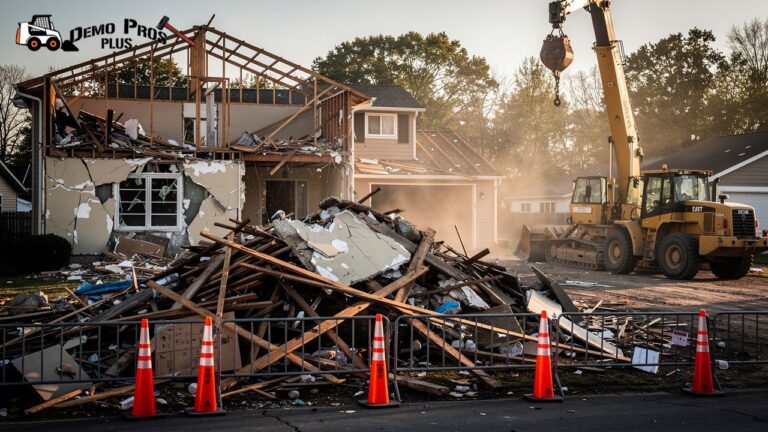
Choosing full drywall demolition for renovation allows for better sorting of materials. Metal corner beads, wooden studs, and gypsum board can be separated, which is much harder to do during a messy, unplanned tear-out. This organized approach helps the project comply with local municipal recycling ordinances that often require a certain percentage of debris to be recycled.
Bonus Tip: Salvage Potential
If the home has historical features like solid wood trim or vintage hardware, have the demolition crew remove these by hand before the drywall is pulled. These items are often high quality and can be refinished and reinstalled to maintain the home’s character.
Things to Consider Before Making a Decision
Before starting a demolition project, homeowners should evaluate several factors to ensure the process goes smoothly.
- Permit Requirements: Confirm whether your project’s scope necessitates specific local approvals before beginning.
- Utility Shut-offs: Ensure that all electricity, gas, and water lines to the work area are properly identified and turned off by a professional.
- Structural Integrity: If removing load-bearing walls, a temporary support system must be in place before the drywall and studs are touched.
- Timeline: Full drywall removal adds time to the beginning of a project, but usually saves time during the installation of new systems.
- Budget for the Unexpected: Always set aside a contingency fund. Once the drywall is gone, you may find issues that require immediate attention.
Common Questions About Drywall Demolition
How long does it take to remove drywall from a standard room? A professional crew can usually gut a standard bedroom in a few hours. A whole house might take two to four days, depending on the size and the complexity of the fixtures that need to be protected.
Is it necessary to remove the ceiling drywall, too? If the renovation involves moving walls or changing lighting, removing the ceiling is usually best. It allows for easier wiring and ensures the new walls meet the ceiling without visible gaps or mismatched textures.
How is the dust managed in a California home? Contractors use heavy-duty plastic to seal off doors and vents. They also use negative air machines that pull air through filters and exhaust it outside, preventing dust from migrating to clean parts of the house.
FAQ About Preparing for Renovation
Does removing drywall always require a permit?
While removing a non-structural wall surface might not always require a permit, the work that follows usually does. In most California jurisdictions, if the demolition is part of a larger plan to change plumbing or electrical systems, the entire scope of work is reviewed by building officials.
Can old drywall be composted?
Regular gypsum board can sometimes be used as a soil amendment, but it must be free of paint and joint compound. Since most drywall in renovations is painted, it is generally sent to specialized recycling centers rather than a home compost pile.
What is the difference between drywall and plaster demolition?
Plaster is much heavier and creates more dust than drywall. It often involves a wooden or metal lath backing. Demolishing plaster is more labor-intensive and requires different disposal methods due to the weight and density of the material.
Will demolition affect the home’s appraisal?
In the short term, a house with no walls has a lower value. However, the process of removing drywall to update systems and ensure structural safety is a recognized step in increasing a home’s long-term value and marketability.
Evaluating Your Renovation Needs
Drywall demolition is more than just tearing down old materials; it is a strategic step in building a better home. By exposing the “bones” of a property, homeowners gain the clarity needed to make informed decisions about their renovation. This process ensures that every dollar spent on new cabinets, flooring, and paint is supported by a foundation that is safe, efficient, and code-compliant. Demo Pros Plus suggests that residents carefully weigh the benefits of a full teardown against their long-term goals for the property. For a successful outcome, focus on thorough preparation and professional handling of all debris.
Contact Information
For those planning a major home update, Demo Pros Plus provides expert guidance on the demolition process. To discuss the specific needs of a project or to schedule a site walk-through, reach out to the team at (714) 605-1651. Detailed inquiries regarding residential or commercial projects can be sent via email to mike@demoprosplus.com for a professional assessment.
Sources
- California Earthquake Authority – Official state resource for earthquake preparedness and residential retrofitting information.
- National Fire Protection Association – Global nonprofit organization devoted to eliminating death, injury, and property loss due to fire and electrical hazards.
- U.S. Department of Energy – Federal agency providing data and guidelines on home energy efficiency and insulation standards.
- CalRecycle – California’s Department of Resources, Recycling and Recovery, provides statistics and regulations on construction waste.