
Summarize with
Drywall replacement becomes necessary when the material loses its structural integrity, suffers from deep-seated biological growth, or experiences physical damage too extensive for simple patching. If more than 10% of a room’s wall surface shows signs of deep water saturation or recurring mold, complete removal is often more cost-effective and safer than repeated repairs. Property owners must prioritize replacement when the underlying gypsum core softens, as this degradation can lead to wall failure and compromised indoor air quality.
Identifying the moment to move beyond simple patches requires a clear understanding of material limitations. While small dents and scratches are typical parts of a home’s natural wear, certain indicators point to systemic failures that require professional drywall removal. This guide outlines the specific physical and environmental markers signaling that a wall has reached the end of its functional life.
Understanding the Limits of Damaged Drywall Repair
Before deciding to tear out a wall, evaluating the severity of the damage helps determine the most appropriate course of action. Drywall consists of a gypsum plaster core pressed between thick sheets of paper; once the bond between these layers breaks or the core dissolves, the panel can no longer support its own weight or the weight of fixtures.
| Damage Type | Repair Possible? | Replacement Recommended? |
| Small Nail Holes | Yes, with spackle | No |
| Surface Scratches | Yes, with joint compound | No |
| Single Water Spot (< 6 inches) | Yes, if the source is stopped | No |
| Bubbling or Peeling Paper | Rarely | Yes |
| Large Sections of Soft Gypsum | No | Yes |
| Recurring Mold Growth | No | Yes |
| Visible Sagging (Ceilings) | No | Yes |
1. Extensive Water-Damaged Drywall
Water is the primary enemy of gypsum products. When a pipe leaks or a roof fails, the porous nature of drywall causes it to soak up moisture like a sponge. According to safety guidelines from FEMA, materials that remain wet for more than 48 hours often become breeding grounds for microorganisms.
If a wall feels soft to the touch or leaves an indentation when pressed, the internal structure has likely dissolved. Once the gypsum core loses its structural integrity, no amount of drying will restore its original strength. Bubbling or peeling paint often hides deeper saturation that requires immediate drywall removal services to prevent moisture damage to the wood studs behind the panels.
2. Visible or Hidden Mold Growth
Mold is a significant health concern that often dictates the need for full replacement. If dark spots appear on the surface or a persistent musty odor lingers in a room, mold is likely feeding on the paper backing of the drywall. The Environmental Protection Agency suggests that porous materials like drywall must be discarded if they become moldy because the roots of the fungus grow deep into the core.
Cleaning the surface of the wall rarely solves the problem because the mold lives inside the material. In cases of significant contamination, professional drywall removal ensures that spores do not spread to other parts of the building during the demolition process. Replacing the material is the only certain way to guarantee a healthy living environment.
Bonus Tip: Use a moisture meter to check walls after a leak. If the reading remains high days after the leak is fixed, moisture is trapped behind the wall, and mold is likely starting to grow.
3. Large Cracks Indicating Structural Shifts
While thin hairline cracks often appear as a house settles, wide or diagonal cracks signal deeper issues. When cracks exceed one-quarter of an inch in width or appear in a “stair-step” pattern, the drywall has been stretched beyond its flexible limit.
Continually patching these large gaps is only a temporary fix. If the cracks reappear shortly after a repair, the panels have likely pulled away from the wall studs. In these instances, removing the old material allows for a proper inspection of the framing and the installation of new, secure panels that can better handle the natural movement of the building.
4. Excessive Dents and Large Holes
A wall covered in numerous small patches eventually loses its smooth finish and structural consistency. When a room has suffered significant impact damage—such as from moving furniture or heavy use the sheer number of holes can make replacement faster and more effective than repair.
A study on renovation costs from Angi indicates that once damage exceeds a certain percentage of the wall surface, the labor costs for skilled patching often surpass the cost of hanging new sheets. Replacing the entire sheet provides a clean, uniform surface that looks better and lasts longer than a wall comprised mostly of dried joint compound.
5. Sagging and Bowing Ceilings
Ceiling drywall is under constant stress from gravity. If a ceiling begins to bow or sag, it is a sign that the fasteners are pulling through the gypsum core. This often happens because of high humidity, heavy insulation, or past water leaks that have weakened the panel.
A sagging ceiling is a significant safety hazard. If the panels pull away from the joists, the entire ceiling can collapse without warning. When the gap between the drywall and the ceiling joists becomes visible, or if the panels look “wavy” when viewed from the side, it is time for professional drywall demolition services to remove the weight before a failure occurs.
6. Presence of Hazardous Materials
Beyond visible physical deterioration, the internal composition of the wall itself may necessitate replacement for safety reasons. In older properties, the drywall or the joint compound used to seal it may contain hazardous substances. Data from the Consumer Product Safety Commission highlights that homes built before the late 1970s may contain asbestos in the wall textures or lead in the paint layers.
If a renovation requires cutting into these walls, it is often safer to perform a full, controlled removal rather than sanding and patching. Sanding releases fine, hazardous dust particles into the air, while a professional removal process focuses on containing the material and disposing of it according to environmental regulations.
7. Severe Pest Infestations
Termites and wood-boring beetles do not just eat wood; they can also tunnel through the paper backing and gypsum core of drywall. Similarly, rodents often nest behind walls, leaving behind waste that creates persistent odors and health risks.
When pests have compromised a wall, the material often feels hollow or shows tiny “pinholes” on the surface. Because the waste and damage are located inside the wall, the only way to fully sanitize the area and repair the damage is to strip the wall down to the studs. This allows for proper pest treatment and the installation of clean, uncompromised materials.
Smart Factors to Evaluate Before Starting the Project
Before moving forward with a full tear-out, consider these practical elements that affect the outcome of the job.
- Project Scope: Determine if the damage is localized to one wall or if it affects the entire room. Replacing a single wall is often simpler than trying to blend a large patch into three different corners.
- Electrical and Plumbing Access: Removal provides a rare opportunity to upgrade outdated wiring or fix slow leaks that were previously hidden. Doing this while the walls are open saves significant money in the long run.
- Insulation Requirements: Older homes often have settled or insufficient insulation. Replacing drywall allows for the installation of modern, energy-efficient batts or mineral wool, which can lower monthly utility bills.
- Timeline: While a patch takes a few hours to dry, a full replacement involves hanging, taping, and several coats of mud. Ensure the schedule allows for at least three to five days of work.
Common Questions About Drywall Removal
Can I just put new drywall over the old, damaged sheets?
Installing new drywall over old material, known as “re-skinning,” is generally discouraged if the original wall is damp or moldy. This practice traps moisture and mold between the layers, which can lead to rot in the wall studs. It also creates issues with door frames and electrical outlets, as they will no longer sit flush with the wall surface.
How do I know if the damage is just the paint or the drywall itself?
Scrape a small section of the bubbling paint. If the paper underneath is dry, firm, and intact, the issue is likely a failure of the paint bond. If the paper is soft, dark, or crumbles when touched, the damage has reached the core of the drywall and requires full replacement.
Is the dust from drywall removal dangerous?
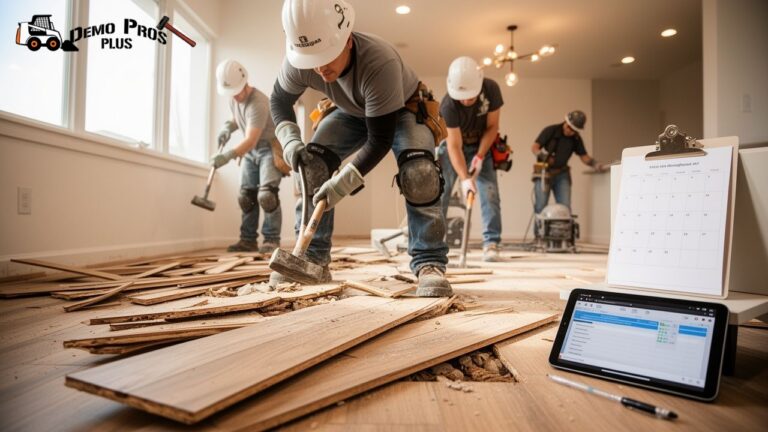
Standard drywall dust is an irritant that can cause respiratory discomfort, though it is not typically toxic unless the material contains asbestos or lead. However, professional removal involves high-volume dust and requires the use of HEPA vacuums and plastic barriers to keep the rest of the home clean.
Frequently Asked Questions
What is the average lifespan of interior drywall?
According to the National Association of Home Builders, drywall is designed to last the lifetime of the structure, often 30 to 70 years. However, its lifespan is significantly shortened by moisture exposure, high humidity, or structural settling.
Should I replace the insulation if I replace the drywall?
If the drywall was removed due to water damage or mold, the insulation behind it must also be replaced. Fiberglass and cellulose insulation lose their effectiveness when wet and can hold moisture against the wooden frame, leading to structural rot.
How much of the wall should be removed for a small leak?
It is standard practice to remove drywall at least 12 inches past the last visible sign of moisture or mold. This ensures that any hidden “wicking” of water into the core is addressed and provides a clean, dry edge for the new installation.
Can I stay in my home during the removal process?
While it is possible to stay in the home, the process is loud and creates significant dust. Most homeowners choose to seal off the work area and stay in a different part of the house. If mold remediation is involved, professional guidelines may suggest vacating the immediate area for safety.
Final Steps for Homeowners
When faced with damaged walls, evaluating the root cause is the most important step. If the issue is structural or environmental, such as mold or saturation, removal is the only permanent solution. Demo Pros Plus suggests that property owners look closely at the age and condition of their walls before investing in cosmetic repairs that may fail within a year. A full replacement provides a fresh start, ensuring the walls are straight, safe, and free from hidden contaminants. Assess the damage honestly and choose the path that protects the building’s long-term value.
Expert Demolition Support
When local repairs no longer suffice, reaching out for professional assistance ensures the job is done safely and efficiently. Demo Pros Plus specializes in handling complex removal tasks that require precision and cleanliness. Whether dealing with old age or sudden accidents, getting the right help is vital for a successful renovation. For questions regarding specific projects or to schedule a walkthrough, contact Demo Pros Plus at (714) 605-1651 or via email at mike@demoprosplus.com to speak with an experienced team member.
Sources
- FEMA – Federal Emergency Management Agency guidelines on flood damage and material restoration.
- Environmental Protection Agency – Official government resource for mold remediation and indoor air quality standards.
- Angi – Industry data regarding the costs and labor requirements for home renovation and repair.
- Consumer Product Safety Commission – Safety reports and historical data on hazardous materials in residential construction.
- National Association of Home Builders – Trade association providing data on the longevity and performance of building materials.