Summarize with
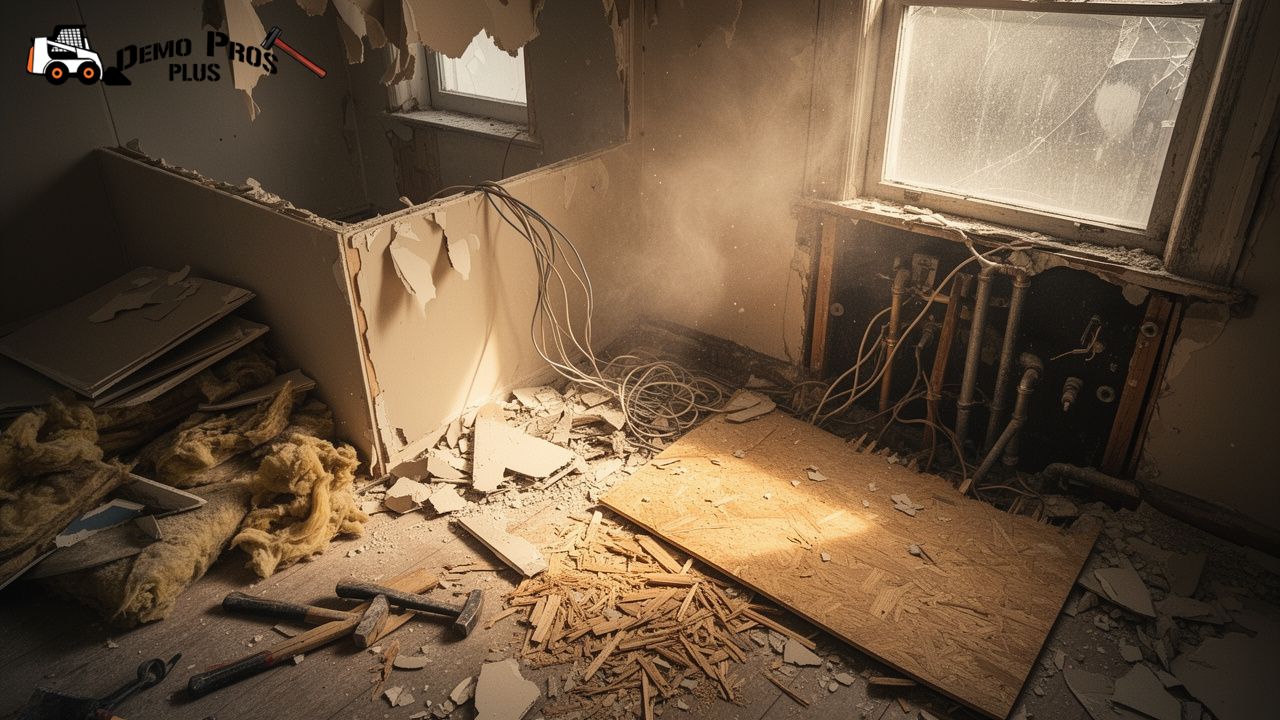
Common drywall demolition mistakes include failing to shut off utilities, neglecting to test for hazardous materials like asbestos or lead, and ignoring dust containment protocols. Homeowners often cause unnecessary damage by using aggressive tools like sledgehammers without checking for electrical wires or plumbing lines behind the surface. These errors lead to expensive repairs, health risks, and structural instability if load-bearing elements are compromised.
Utility Hazards and Hidden Obstacles
Cutting into a wall without knowing what lies behind it is a frequent and dangerous error. Most residential walls house a network of electrical conduits, water pipes, and gas lines. According to safety guidelines from the Consumer Product Safety Commission, accidental contact with live wires or punctured pipes can lead to fire, electrocution, or significant water damage.
To avoid these issues, always use a high-quality stud finder that includes voltage and metal detection. Shutting off the main water supply and the specific electrical breakers for the work area is an essential part of how to remove drywall safely. Homeowners should also look for clues like the placement of outlets, light switches, and bathroom fixtures on either side of the wall.
Bonus Tip: Before making the first cut, remove all faceplates and use a non-contact voltage tester to confirm that no power remains in the wires.
Health Risks from Hazardous Materials
Older homes often contain materials that are dangerous when disturbed. Homes built before 1978 frequently contain lead-based paint, while those built before the mid-1980s may have asbestos in the joint compound or texture. A report from the Environmental Protection Agency states that asbestos fibers become airborne during demolition, posing severe respiratory risks.
Many people assume that drywall itself is safe, but the “mud” used to hide seams is where asbestos was commonly added for fire resistance. Removing these materials without professional testing or abatement procedures can contaminate an entire house. If the home falls within these date ranges, testing is the only way to ensure safety.
Dust Containment and Air Quality
Drywall demolition generates a massive volume of fine gypsum dust. This dust travels easily through HVAC systems and settles in every corner of a home if not properly managed. Exposure to this dust can irritate the lungs and eyes. Data provided by the Occupational Safety and Health Administration highlights that silica dust, often found in joint compounds, requires specific handling to prevent long-term health issues.
Mistakes in dust management usually involve failing to seal off the work area. Standard plastic sheeting and painter’s tape should cover all doorways, vents, and returns. Using a shop vacuum without a HEPA filter is another common error, as standard filters often blow the fine dust back into the air.
Bonus Tip: Lightly misting the drywall with water from a spray bottle before and during removal can significantly reduce the amount of airborne dust.
Structural Integrity and Load-Bearing Walls
Removing the wrong wall can lead to sagging ceilings or even structural failure. Not all walls are decorative; many support the weight of the roof or the floor above. Homeowners often mistake a partition wall for a structural one, or vice versa. Identifying load-bearing walls requires an understanding of how floor joists and roof trusses are oriented.
If a wall runs perpendicular to the joists above it, there is a high probability it is load-bearing. Removing even a small portion of these supports without temporary bracing can cause the house to shift. Consulting a professional drywall demolition expert or a structural engineer is necessary when the function of a wall is unclear.
Tool Selection and Demolition Techniques
Using a sledgehammer might seem efficient, but it creates a mess and increases the risk of hitting hidden utilities. Professionals use utility knives to score the drywall and pry bars to remove panels in large sections. This method keeps the work area cleaner and makes the drywall demolition process much faster in the long run.
The following table compares different tools and their typical uses during the demolition process.
Demolition Tool Comparison
| Tool Name | Primary Function | Risk Level | Best Use Case |
| Utility Knife | Scoring and clean cuts | Low | Perimeter edges and corners |
| Pry Bar | Removing panels from studs | Low | Pulling large sections away |
| Reciprocating Saw | Cutting through wood or metal | High | Only for known clear paths |
| Sledgehammer | Breaking down masonry | High | Not recommended for drywall |
| Oscillating Multi-Tool | Precision cutting | Low | Cutting around electrical boxes |
Things to Consider Before Making a Decision
Beyond selecting the right tools, successful demolition requires a clear understanding of external project factors that impact safety and legality. Before starting, homeowners must evaluate these key areas to determine if they should proceed on their own or seek professional drywall demolition services.
- Age of the Structure: Homes built before 1985 require professional testing for asbestos and lead.
- Permit Requirements: Some local jurisdictions require permits for any demolition that involves structural changes or utility relocation.
- Waste Disposal: Drywall is heavy and bulky. Local landfills often have specific rules for construction debris, and a standard trash service will not pick it up.
- Time Commitment: What looks like a weekend project can quickly extend into weeks if utilities are damaged or if the cleanup is underestimated.
- Equipment Costs: Purchasing high-end respirators, HEPA vacuums, and proper floor protection can sometimes cost as much as hiring a drywall removal contractor.
Common Questions Regarding Drywall Removal
Homeowners frequently ask if they can simply install new drywall over the old layer to save time. While technically possible, this adds unnecessary weight to the wall studs and creates depth issues with door frames and electrical boxes. Furthermore, this approach merely hides potential mold or electrical issues rather than addressing them.
Another common concern involves the cost of disposal. Total expenses often depend on the weight of the debris and the location of the nearest recycling center. Some regions now require specialized drywall recycling to keep gypsum out of landfills, which can significantly influence the total project budget.
Frequently Asked Questions
Is it safe to breathe drywall dust for a short time?
Short-term exposure can cause throat irritation and coughing. However, repeated exposure or inhaling dust containing silica or asbestos can lead to permanent lung damage. Always wear an N95 or P100 respirator.
How do I know if a wall is load-bearing?
Generally, walls that run perpendicular to the ceiling joists or are located directly above a support beam in the basement are load-bearing. If you are unsure, you should never remove the wall without a professional inspection.
Should I remove the ceiling drywall first or the walls?
It is usually best to remove the ceiling first. This prevents heavy ceiling sections from falling on you while you work on the walls and allows for a clearer view of the top plates and wiring.
How do I dispose of drywall debris?
Drywall should be placed in a heavy-duty construction dumpster. Do not burn drywall, as it contains additives that can release toxic fumes. Check with local waste management regarding gypsum recycling programs.
Can I remove drywall with a reciprocating saw?
You can, but it is risky. The blade can easily cut through hidden wires or pipes. If you use one, set the blade depth to be just slightly thicker than the drywall itself to minimize the risk of hitting something behind the studs.
Best Practices for Moving Forward
Avoiding common mistakes starts with preparation and respect for the hidden systems within a home. Taking the time to test for hazardous materials and properly sealing the work area saves time and protects the health of everyone in the building. Rushing through the demolition phase often results in higher costs during the rebuilding phase due to damaged studs or severed lines.
Evaluate the scope of the project honestly. If the task involves multiple rooms or potentially hazardous materials, hiring a drywall removal contractor is the most efficient way to ensure the job is done correctly. Proper demolition sets the foundation for a successful renovation, ensuring the new walls are installed on a clean, safe, and structurally sound frame.
Work with Professionals
Demo Pros Plus provides expert removal services for residential and commercial properties. For those who prefer to avoid the physical strain and cleanup associated with demolition, professional assistance is available. Contact Mike at (714) 605-1651 or via email at mike@demoprosplus.com to discuss project requirements and ensure a clean start for any renovation.
Sources
- Environmental Protection Agency – Guidelines on identifying and managing asbestos hazards in residential properties.
- Occupational Safety and Health Administration – Safety standards regarding silica dust exposure and respiratory protection during drywall work.
- Consumer Product Safety Commission – Information regarding lead paint safety and general home demolition hazards.
- EPA Construction and Demolition Debris – Data on construction waste management and the environmental impact of demolition.